
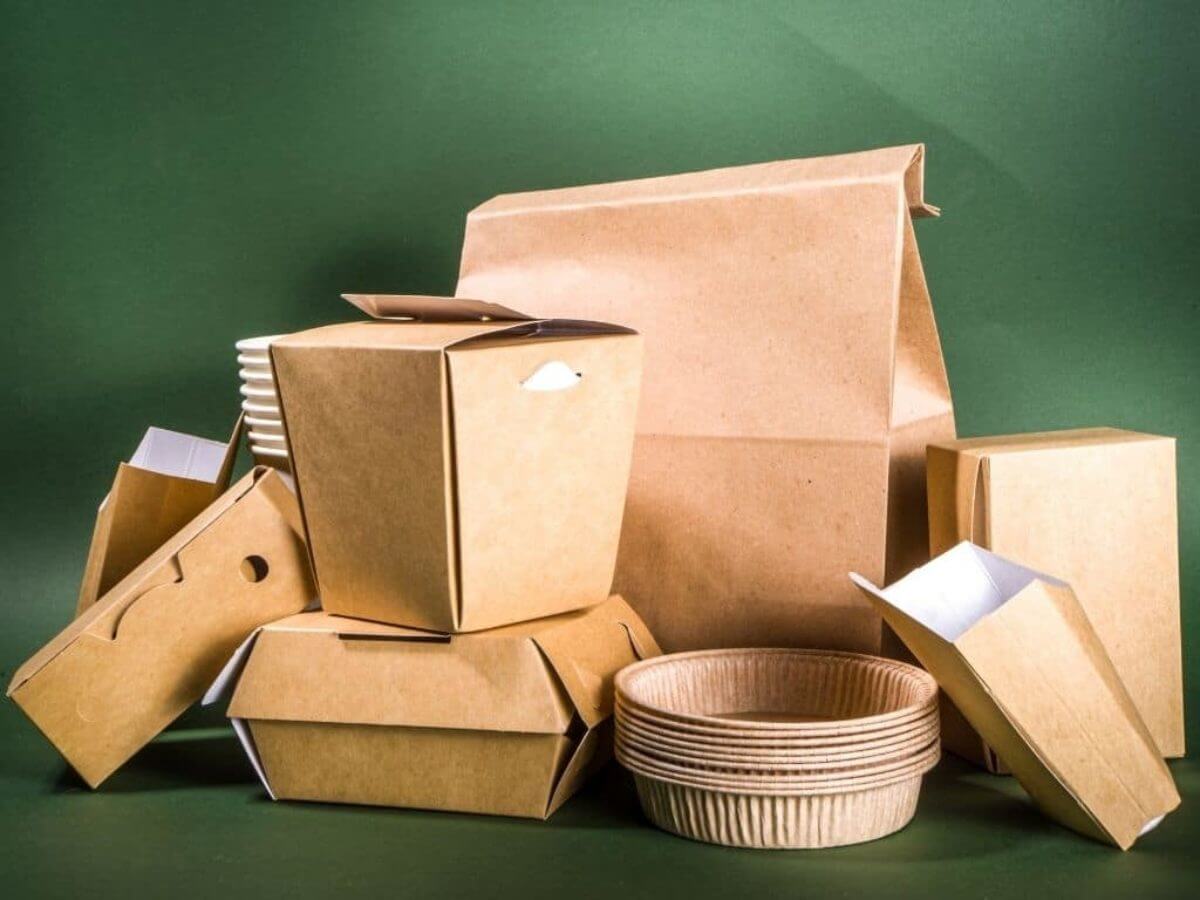
Recyclable Packaging Companies | Sustainable Packaging Solutions Leave a comment
As businesses and consumers become more conscious of environmental impact, packaging has become an important part of sustainability strategies. Companies are increasingly looking for ways to reduce packaging waste, use responsible materials, and create products that align with modern environmental expectations.
Working with experienced recyclable packaging companies can help businesses transition from conventional packaging to more sustainable alternatives without sacrificing quality, functionality, or branding.
Zaam International helps businesses explore custom packaging solutions and global sourcing options, connecting companies with packaging manufacturing and supply-chain resources designed around their product and business requirements.
What Is Recyclable Packaging?
Recyclable packaging companies is packaging made from materials that can be collected, processed, and converted into new materials or products after use. Common recyclable packaging companies materials include paper, cardboard, certain plastics, glass, and metals.
The recyclability of a package depends on several factors, including the material used, local recycling infrastructure, coatings, adhesives, inks, and how different materials are combined.
For businesses, selecting recyclable packaging companies is not simply about choosing a particular material. It also involves considering the complete packaging design, product protection, transportation requirements, and end-of-life options.
Why Businesses Are Choosing Recyclable Packaging
The demand for sustainable recyclable packaging companies continues to grow as businesses look for practical ways to reduce waste and respond to changing customer expectations.
1. Reduce Environmental Impact
Packaging can represent a significant portion of a product’s overall waste. Choosing recyclable materials can help support a more circular approach to packaging by allowing materials to potentially be recovered and reused rather than immediately becoming waste.
Reducing unnecessary packaging and selecting appropriate recyclable materials can also help businesses improve their overall packaging strategy.
2. Meet Consumer Expectations
Today’s consumers increasingly pay attention to how products are packaged. Excessive plastic, unnecessary layers, and difficult-to-recycle materials can negatively affect how customers perceive a brand.
Recyclable packaging gives businesses an opportunity to demonstrate their commitment to more responsible packaging practices.
3. Support Sustainability Goals
Businesses of all sizes are developing sustainability initiatives. Packaging can be an important area for improvement because material selection, package dimensions, printing, and shipping can all influence the environmental footprint of a product.
Working with recyclable packaging suppliers can help businesses identify material and design options that fit their sustainability objectives.
4. Strengthen Brand Image
Packaging is often the first physical interaction customers have with a product. Well-designed sustainable packaging can communicate quality while also reinforcing a company’s environmental values.
Custom recyclable packaging can combine brand identity, product protection, and sustainability into one solution.
Common Types of Recyclable Packaging Materials
Different products require different packaging materials. The right choice depends on product characteristics, transportation requirements, budget, branding, and recycling infrastructure.
Recyclable Paper and Cardboard
Paper and cardboard are among the most widely used packaging materials. They can be used for:
- Product boxes
- Shipping cartons
- Folding cartons
- Paper bags
- Mailers
- Inserts
- Retail packaging
Corrugated cardboard is particularly useful for e-commerce and shipping because it can provide protection while offering a widely recognized recyclable packaging companies material option.
Recyclable Plastic
Certain types of plastic packaging can be recyclable when the appropriate recycling infrastructure is available. Plastic can also offer useful characteristics such as durability, moisture resistance, and lightweight construction.
Businesses should evaluate the specific plastic type, package design, additives, coatings, and local recycling systems when selecting plastic packaging.
Glass Packaging
Glass is commonly used for products such as beverages, cosmetics, food, and specialty products. It can be recycled repeatedly without fundamentally changing the material.
Glass packaging can also provide a premium appearance, making it popular among brands looking to combine sustainability considerations with a high-end presentation.
Aluminum and Metal Packaging
Aluminum and other metals can be used for cans, tins, containers, and specialty packaging. Metal packaging can provide durability and product protection while offering recyclable packaging companies potential.
For certain products, metal can be a practical alternative to other packaging materials.
Recycled vs. Recyclable Materials
The terms recycled and recyclable are not interchangeable.
- Recycled material means the material already contains content recovered from previous use.
- Recyclable material means the packaging can potentially be collected and processed for recycling.
A package may contain recycled content and also be recyclable. Businesses should evaluate both characteristics when developing a sustainable packaging strategy.
Types of Recyclable Packaging Solutions
Recyclable packaging companies can provide solutions for many different applications and industries.
Custom Recyclable Boxes
Custom boxes can be designed around specific product dimensions while incorporating brand colors, graphics, logos, and other design elements.
Corrugated Packaging
Corrugated packaging is widely used for shipping and e-commerce. It provides structural protection while offering a practical packaging material for many products.
Paper Bags and Mailers
Paper bags and mailers can be used for retail, e-commerce, promotional products, and shipping applications.
Retail Packaging
Retail packaging can combine product protection with shelf presentation. Custom printed cartons, boxes, and bags can help businesses create a consistent brand experience.
Food Packaging
Food businesses can explore recyclable paperboard, cartons, containers, and other packaging formats depending on product requirements and applicable food-contact standards.
E-Commerce Packaging
Online retailers need packaging that can withstand transportation while minimizing unnecessary material. Recyclable shipping boxes, mailers, inserts, and protective packaging can support a more efficient e-commerce packaging strategy.
Custom Printed Sustainable Packaging
Businesses can recyclable packaging companies with logos, product information, colors, graphics, and messaging. Sustainable packaging does not have to look generic.
Why Choose Zaam International for Recyclable Packaging?
Zaam International provides businesses with access to packaging sourcing and international supply-chain solutions.
Our approach can support businesses looking for customized recyclable packaging companies solutions based on product specifications, branding requirements, order quantities, and sourcing needs.
Key advantages include:
- Recyclable and sustainable packaging options
- Custom packaging solutions
- International sourcing capabilities
- Access to global manufacturing networks
- Packaging procurement support
- Quality-focused production coordination
- Flexible solutions for different industries
- Support from packaging concept through production and delivery
Whether a business needs retail packaging, e-commerce boxes, custom cartons, shipping materials, or other packaging solutions, Zaam International can help explore suitable sourcing and manufacturing options.
Frequently Asked Questions
What are recyclable packaging companies?
Recyclable packaging companies provide packaging products and solutions made from materials that can potentially be recovered and processed through recycling systems. These companies may offer standard or custom packaging for different industries.
What materials are commonly used in recyclable packaging?
Common materials include paper, cardboard, certain plastics, glass, and metals such as aluminum. The best option depends on the product and intended application.
Is recyclable packaging better than traditional packaging?
Recyclable packaging can support waste-reduction and sustainability objectives, but its environmental benefits depend on material selection, manufacturing, transportation, consumer use, and the availability of recycling infrastructure.
Can recyclable packaging be customized?
Yes. Many recyclable packaging solutions can be customized in terms of dimensions, structure, printing, graphics, branding, and finishing.
What is the difference between recyclable and biodegradable packaging?
Recyclable packaging is designed to potentially be collected and processed into new materials. Biodegradable packaging is designed to break down through biological processes under appropriate conditions. These are different characteristics.
Conclusion
The demand for sustainable packaging continues to influence how businesses design, source, manufacture, and deliver products. Recyclable packaging companies can help organizations explore materials and packaging formats that align with their product requirements and sustainability objectives.
From recyclable cardboard boxes and paper mailers to custom retail packaging and international sourcing, businesses have many opportunities to improve their packaging strategy.
Zaam International helps businesses explore custom packaging and global sourcing solutions, providing support across sourcing, manufacturing coordination, quality considerations, and supply-chain management.
If you’re looking for recyclable packaging solutions for your business, working with the right sourcing partner can help you find packaging that balances sustainability, quality, functionality, branding, and cost.
