
Packaging Design Trends | Modern & Creative Packaging Ideas for Brands Leave a comment
Packaging is no longer simply a way to protect a product during transportation. For modern businesses, packaging has become an important part of branding, marketing, customer experience, and sustainability. As consumer expectations continue to change, businesses are looking for packaging that is attractive, functional, environmentally responsible, and aligned with their brand identity.
Understanding the latest packaging design trends can help businesses create packaging that attracts attention, communicates product value, and delivers a memorable experience to customers.
At Zaam International, we help businesses explore global sourcing and packaging solutions designed around their product requirements, brand identity, quality expectations, and market needs.
Why Packaging Design Matters for Modern Brands
Packaging is often the first physical interaction a customer has with a product. Before a customer experiences what is inside the box, the packaging can communicate important information about the brand and product.
Effective packaging design trends can help businesses:
- Create a strong first impression
- Improve brand recognition
- Communicate product information clearly
- Differentiate products from competitors
- Improve the customer experience
- Support premium positioning
- Make products more attractive for retail and e-commerce
- Communicate sustainability and brand values
A well-designed package should combine visual appeal with practicality. The best packaging is not necessarily the most complicated. Instead, it should effectively balance design, functionality, protection, cost, and brand identity.
Top Packaging Design Trends to Watch
1. Minimalist Packaging
Minimalism continues to influence packaging design trends. Instead of filling every available space with graphics and information, minimalist packaging focuses on simplicity and clarity.
Common characteristics include:
- Clean layouts
- Simple typography
- Limited color palettes
- Plenty of white or negative space
- Clear product information
- Simple logos and graphics
Minimalist packaging can create a modern and sophisticated appearance while making important information easier to identify.
For brands selling cosmetics, food, technology, lifestyle products, and premium goods, a clean packaging design can help communicate quality and simplicity.
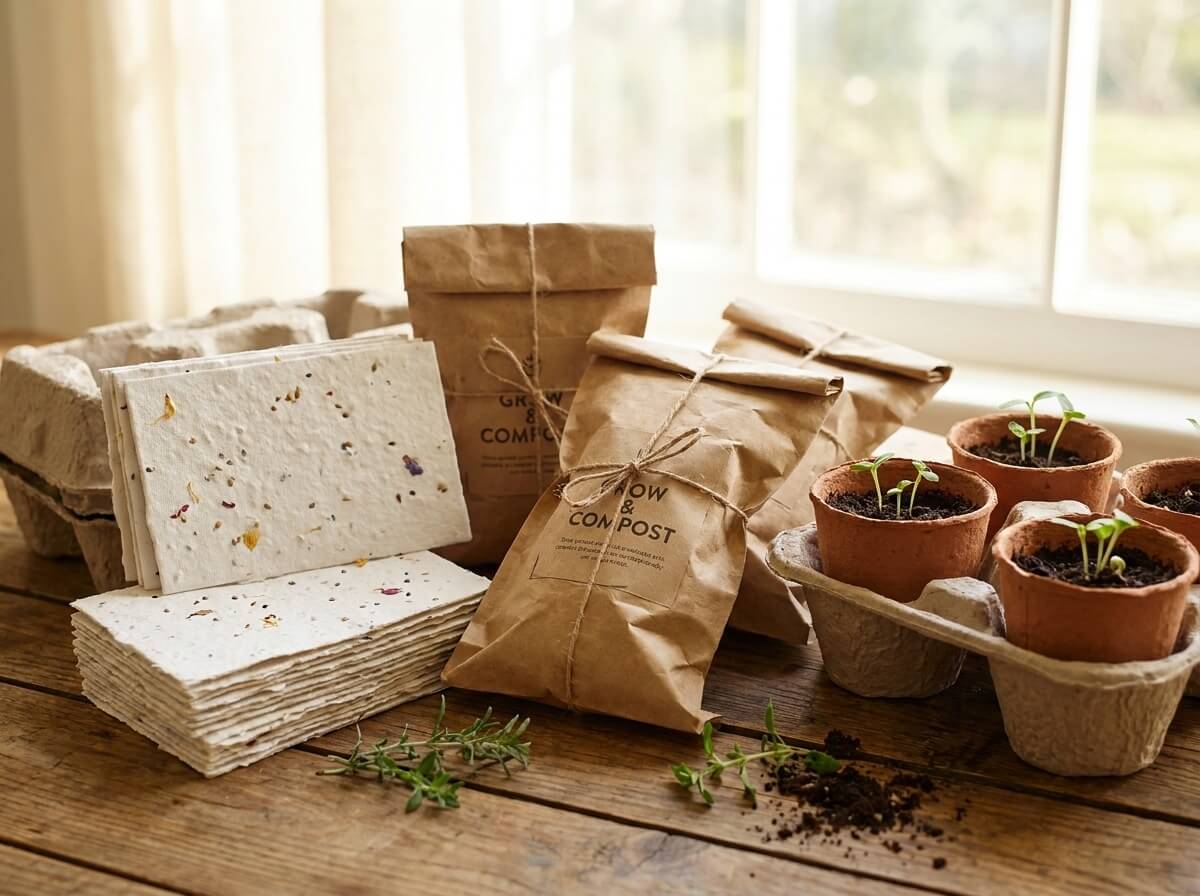
2. Sustainable Packaging Design
Sustainability is one of the most important influences on modern packaging. Businesses are increasingly evaluating packaging materials, production methods, recyclability, and waste.
Sustainable packaging may include:
- Recyclable cardboard
- Kraft paper
- Reusable containers
- Paper-based packaging
- Recycled materials
- Lightweight packaging
- Compostable or biodegradable materials where appropriate
Sustainable packaging design trends is not only about choosing a different material. Businesses can also reduce environmental impact by using the right amount of packaging, minimizing unnecessary components, and designing packaging for efficient transportation.
For companies developing new products, sustainability can be considered from the earliest stages of packaging development.
3. Bold Colors and Creative Typography
While minimalist designs focus on simplicity, another major direction is the use of bold colors and distinctive typography.
Bright colors can help products stand out on retail shelves or online product pages. Creative typography can also contribute to a recognizable visual identity.
Brands can use:
- Large headlines
- Custom typography
- Contrasting colors
- Bold patterns
- Illustrations
- Unique lettering styles
The goal is to create a recognizable design without sacrificing readability or brand consistency.
4. Personalized Packaging
Personalization has become an important part of customer experience. Instead of using exactly the same packaging for every customer or campaign, brands can introduce customized elements.
Examples include:
- Personalized messages
- Limited-edition designs
- Seasonal packaging
- Customer-specific inserts
- Custom labels
- Special promotional packaging
Personalized packaging design trends can be particularly useful for gifting, promotional campaigns, product launches, and special events.
It can also help create a stronger connection between a brand and its customers.
5. Smart and Interactive Packaging
Technology is creating new opportunities for packaging to become interactive.
A simple packaging design trends can provide customers with additional digital information through technologies such as QR codes or NFC.
For example, a QR code could direct customers to:
- Product instructions
- Brand information
- Product videos
- Recipes
- Warranty registration
- Customer support
- Promotions
- Product authenticity information
Smart packaging can turn a traditional package into an additional communication channel between a brand and its customers.
6. Premium and Luxury Packaging
Premium packaging design trends remains popular among brands that want to create a high-end customer experience.
Luxury packaging may incorporate:
- Rigid boxes
- Embossing
- Debossing
- Foil stamping
- Custom inserts
- Magnetic closures
- Specialty papers
- Textured finishes
The unboxing experience is particularly important for premium products. Opening the package should feel consistent with the value and positioning of the product.
However, premium packaging does not always require excessive materials. Thoughtful design, quality finishes, and precise construction can create a premium appearance without unnecessary complexity.
7. Functional and Convenient Packaging
Modern consumers value convenience. Packaging therefore needs to do more than look attractive.
Functional packaging can include:
- Resealable closures
- Easy-open designs
- Portable formats
- Stackable containers
- Lightweight structures
- Protective inserts
- Space-efficient designs
For e-commerce businesses, functionality is especially important because packaging must protect products during shipping while remaining practical for customers to open, store, and dispose of.
8. Transparent and Window Packaging
Window packaging design trends allows customers to see part or all of the product before purchasing it.
This approach can be useful for products where appearance is an important selling point, including:
- Food products
- Gifts
- Beauty products
- Clothing accessories
- Handmade products
- Retail items
Transparent elements can help build customer confidence by allowing shoppers to visually inspect the product.
The challenge is to combine product visibility with strong branding and adequate product protection.
9. Retro and Nostalgic Packaging
Nostalgic packaging design trends uses visual elements inspired by previous decades or traditional designs.
This can include:
- Vintage typography
- Classic illustrations
- Retro color combinations
- Traditional patterns
- Heritage-inspired branding
Retro-inspired packaging can help brands create an emotional connection while still incorporating modern production techniques and functionality.
The key is to use nostalgic elements intentionally rather than making the package look outdated.
10. Unboxing-Focused Packaging
Unboxing has become an important part of the modern customer experience, particularly for e-commerce brands.
Customers may share their purchases through photos, videos, and social media content. This creates an opportunity for packaging to become part of a brand’s marketing strategy.
Unboxing-focused packaging design trends can include:
- Branded tissue paper
- Custom inserts
- Thank-you cards
- Product information cards
- Branded stickers
- Layered packaging
- Special opening experiences
A thoughtful unboxing experience can reinforce brand identity and encourage customers to engage with the brand after receiving their order.
Packaging Materials Shaping Current Design Trends
The choice of material plays an important role in both packaging design and product protection.
Common packaging materials include:
Kraft Paper
Kraft paper is widely used for bags, boxes, wraps, labels, and other packaging applications. Its natural appearance can complement brands looking for a simple or environmentally conscious visual identity.
Corrugated Cardboard
Corrugated cardboard is commonly used for shipping boxes and e-commerce packaging because it can provide protection while remaining relatively lightweight.
Rigid Boxes
Rigid boxes are frequently used for premium and luxury products. Their sturdy construction can provide a higher-end presentation.
Recyclable Plastics
Certain recyclable plastic packaging design trends formats can provide durability, transparency, and moisture resistance depending on the application and material.
Glass
Glass packaging is often used for cosmetics, food, beverages, fragrances, and other products where product presentation and material characteristics are important.
Aluminum and Metal
Metal packaging can provide durability and distinctive visual appeal. It can be used for products ranging from food and beverages to promotional and specialty items.
Recycled, Biodegradable, and Compostable Materials
Depending on the product and application, businesses may explore recycled, biodegradable, or compostable materials as part of their packaging strategy.
Material selection should always consider the product, required protection, intended use, transportation, regulatory requirements, cost, and end-of-life considerations.
How Sustainability Is Changing Packaging Design
Sustainability is influencing the way companies approach packaging design trends development.
Rather than simply choosing an environmentally focused material, businesses can evaluate the entire packaging process.
Important considerations include:
- How much material is being used?
- Can the packaging be recycled or reused?
- Is the packaging appropriately sized?
- Can unnecessary components be eliminated?
- How efficiently can the packaging be transported?
- Can recycled materials be incorporated?
- How durable does the packaging need to be?
Right-sized packaging design trends can also help reduce wasted space during transportation and storage.
For businesses sourcing packaging internationally, it is important to evaluate both the material and the manufacturing process when developing a sustainable packaging strategy.
Common Packaging Design Mistakes to Avoid
Even attractive packaging design trends can create problems if important practical factors are overlooked.
Common mistakes include:
- Using too much information
- Choosing difficult-to-read typography
- Ignoring product protection
- Using excessive packaging
- Selecting materials without considering the product
- Creating inconsistent branding
- Ignoring shipping requirements
- Focusing only on appearance
- Not considering production costs
- Failing to test packaging before large-scale production
A successful packaging solution should balance aesthetics with functionality.
How Zaam International Can Help With Packaging Solutions
Finding the right packaging design trends supplier can be challenging, particularly for businesses that require custom designs, specific materials, international sourcing, or large production quantities.
Zaam International supports businesses with global sourcing and procurement solutions, helping connect companies with manufacturing and supply opportunities across international markets.
Depending on project requirements, packaging sourcing may involve:
- Custom packaging solutions
- Supplier sourcing
- Product and material selection
- Packaging specifications
- Manufacturing coordination
- Quality considerations
- Procurement support
- International sourcing
- Supply chain coordination
Businesses can work with Zaam International to explore packaging options based on their product requirements, target market, budget, and desired brand experience.
For companies considering international manufacturing, having a structured sourcing process can help simplify supplier communication and product development.
Conclusion
The latest packaging design trends demonstrate that packaging is much more than a protective layer around a product. It can influence brand perception, customer experience, product differentiation, and purchasing decisions.
From minimalist designs and sustainable materials to smart packaging, personalization, premium finishes, and memorable unboxing experiences, businesses have many opportunities to create packaging that supports their overall brand strategy.
Choosing the right packaging requires careful consideration of materials, functionality, design, transportation, production requirements, and cost.
Zaam International can help businesses explore global packaging sourcing and procurement solutions tailored to their product and business requirements. Whether you are developing a new product or looking to improve existing packaging, a well-planned sourcing strategy can help you move from concept to production more efficiently.
Frequently Asked Questions
What are the latest packaging design trends?
Current packaging design trends include minimalist designs, sustainable materials, bold typography, personalization, smart packaging, premium finishes, functional packaging, and unboxing-focused experiences.
Why is sustainable packaging becoming more popular?
Businesses are increasingly evaluating ways to reduce packaging waste and improve material efficiency. Sustainable packaging can involve recyclable, reusable, recycled, biodegradable, or compostable materials, depending on the product and application.
What makes good packaging design?
Good packaging design combines visual appeal, functionality, product protection, brand identity, customer convenience, and appropriate material selection.
How can packaging improve brand recognition?
Consistent colors, typography, logos, graphics, shapes, and other visual elements can make packaging easier for customers to recognize and associate with a particular brand.
How can Zaam International help with packaging sourcing?
Zaam International provides global sourcing and procurement support for businesses looking for manufacturing and packaging solutions. Services can include supplier sourcing, product specifications, manufacturing coordination, and international procurement support.
