
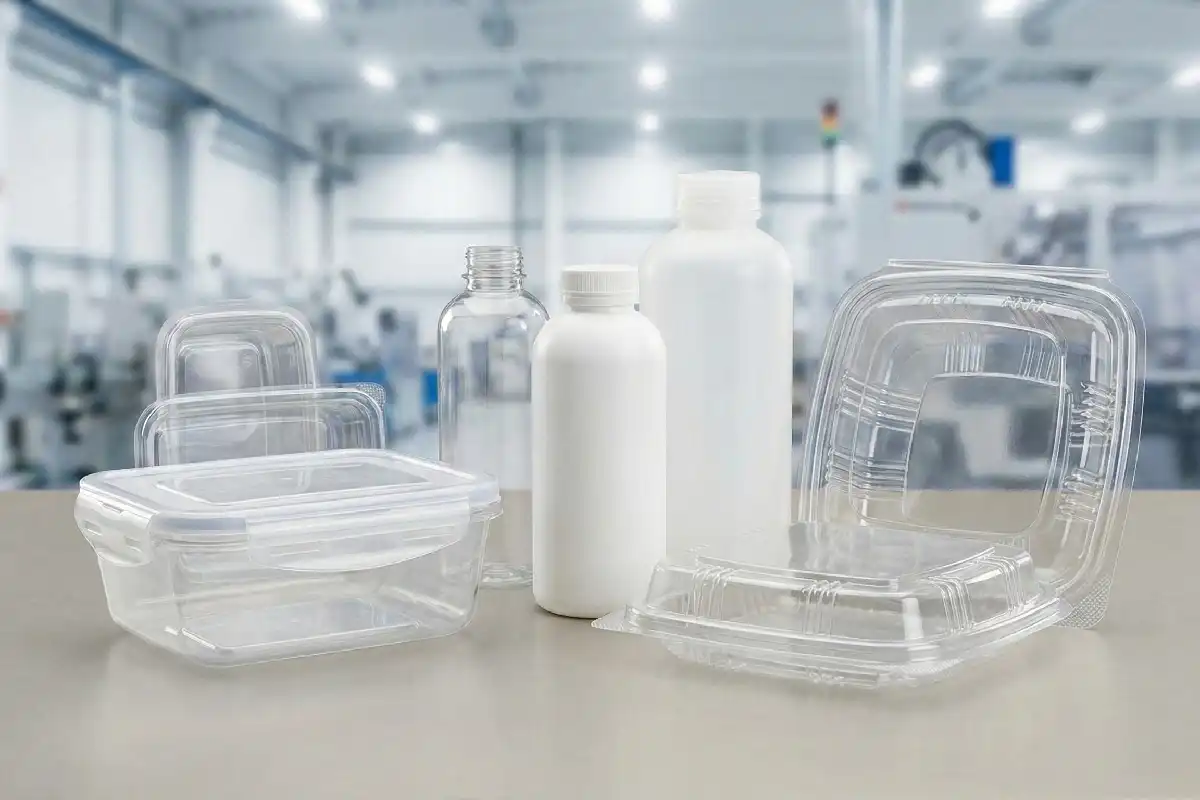
Durable Plastic Packaging | High-Quality, Long-Lasting Packaging Solutions Leave a comment
In today’s competitive business environment, packaging plays an essential role in protecting products, maintaining quality, and ensuring safe transportation. Businesses across industries need packaging solutions that can withstand handling, storage, shipping, and changing environmental conditions. This is where durable plastic packaging becomes an important choice.
Durable plastic packaging is designed to provide strength, flexibility, and reliable product protection. From food and beverage containers to industrial drums, bottles, protective films, and custom packaging, plastic materials offer versatile solutions for different business requirements.
As companies look for cost-effective and dependable packaging options, investing in high-quality plastic packaging can help reduce product damage, improve operational efficiency, and enhance the overall customer experience.
In this guide, we explore the different types of durable plastic packaging, their benefits, industry applications, sustainability considerations, and how businesses can select the right packaging solutions.
What Is Durable Plastic Packaging?
Durable plastic packaging refers to packaging products manufactured using strong, reliable plastic materials designed to protect goods from physical damage, moisture, contamination, and other external factors.
Unlike lightweight packaging designed for single-use applications, durable packaging focuses on structural strength and resistance to everyday handling and transportation challenges.
Common materials used in durable plastic packaging include:
-
High-Density Polyethylene (HDPE): Known for its strength, chemical resistance, and durability. Commonly used in containers, bottles, and industrial packaging.
-
Polypropylene (PP): Offers excellent heat resistance, flexibility, and impact resistance for various packaging applications.
-
Polyethylene Terephthalate (PET): Widely used for transparent bottles, food containers, and beverage packaging.
-
Low-Density Polyethylene (LDPE): Flexible and lightweight, making it suitable for protective films, bags, and packaging wraps.
-
Polycarbonate (PC): A strong and impact-resistant material used in specialized reusable containers and protective applications.
The right material depends on the product being packaged, its storage conditions, transportation requirements, and applicable industry regulations.
What Makes Plastic Packaging Durable?
Not all plastic packaging offers the same level of protection. Several factors determine whether packaging can withstand demanding conditions.
Impact and Puncture Resistance
Durable plastic packaging is designed to resist impacts, punctures, and physical pressure. This is particularly important for products transported over long distances or handled multiple times throughout the supply chain.
Moisture Resistance
Certain plastic materials provide an effective barrier against moisture and humidity. This helps protect products that may be affected by exposure to water or environmental conditions.
Chemical Resistance
Industrial and chemical products often require packaging that can withstand contact with specific substances. Materials such as HDPE and polypropylene are commonly selected for their chemical resistance, although compatibility must always be checked for the particular substance.
Temperature Resistance
Some packaging materials can withstand temperature variations during storage, transportation, and use. Businesses should select materials based on the actual temperature requirements of their products.
Strong Structural Design
Packaging durability depends on more than the plastic material itself. Wall thickness, container shape, closures, seals, and manufacturing quality all contribute to overall performance.
Types of Durable Plastic Packaging Solutions
Businesses can choose from different plastic packaging formats depending on their products and operational requirements.
Heavy-Duty Plastic Containers
Heavy-duty plastic containers are designed to store and transport products that require additional protection. They are commonly used in manufacturing, warehousing, logistics, and commercial operations.
Their benefits include:
-
Strong and reliable construction.
-
Reusable options for repeated handling.
-
Stackable designs for efficient storage.
-
Resistance to everyday wear and tear.
Plastic Bottles and Jars
Plastic bottles and jars are widely used in food, beverage, cosmetics, personal care, and household product industries.
Depending on the material and design, they can provide:
-
Lightweight product packaging.
-
Convenient storage and handling.
-
Different sizes and closure options.
-
Transparent or opaque packaging designs.
Industrial Plastic Drums and Barrels
Industrial plastic drums and barrels are commonly used for storing and transporting liquids, chemicals, and bulk materials.
They are available in different capacities and designs to meet specific industrial requirements. Businesses should ensure that the selected packaging meets applicable safety, chemical compatibility, and transportation standards.
Protective Plastic Films and Wraps
Plastic films and wraps help protect products from dust, dirt, moisture, and surface damage.
Common applications include:
-
Wrapping pallets for transportation.
-
Protecting furniture and equipment.
-
Packaging retail products.
-
Securing goods during warehouse storage.
Rigid Plastic Packaging
Rigid plastic packaging maintains its shape and provides structural protection. It is commonly used for electronics, cosmetics, food products, and consumer goods.
Flexible Plastic Packaging
Flexible plastic packaging includes pouches, bags, films, and laminated packaging materials.
It offers lightweight construction, convenient storage, and customization opportunities for businesses looking to package different types of products.
Key Benefits of Durable Plastic Packaging
Choosing durable plastic packaging can offer several advantages for businesses.
Excellent Product Protection
One of the biggest advantages is its ability to protect products from physical damage, dust, moisture, and other external conditions. Proper packaging helps maintain product quality throughout storage and transportation.
Reduced Risk of Product Damage
Strong packaging can help minimize breakage, leakage, and other damage caused by handling and shipping. This may reduce replacement costs and improve customer satisfaction.
Lightweight and Easy to Transport
Plastic packaging is generally lighter than many alternative materials, including glass and metal. This can make handling easier and potentially reduce transportation costs.
Cost-Effective Packaging Solutions
Plastic packaging is available in a wide range of materials, designs, and production volumes. Businesses can select solutions that match their budgets while meeting product protection requirements.
Versatility and Customization
Plastic packaging can be manufactured in various shapes, sizes, colours, and thicknesses. This flexibility allows companies to develop packaging that supports their product specifications and branding.
Extended Product Protection
Appropriately designed plastic packaging can help protect products from environmental exposure and contamination. For certain products, specialized barrier packaging can also help maintain freshness and extend shelf life.
Industries That Use Durable Plastic Packaging
Durable plastic packaging supports a wide range of industries because of its flexibility, availability, and protective properties.
Food and Beverage Industry
Food manufacturers use plastic containers, bottles, trays, films, and pouches to package different food and beverage products.
Food-contact packaging must meet applicable safety requirements and be suitable for its intended use, including temperature and storage conditions.
Pharmaceutical and Healthcare Industry
The pharmaceutical industry uses plastic bottles, containers, blister packaging, and specialized protective packaging.
These solutions help protect products from contamination, moisture, and physical damage. Packaging must meet relevant pharmaceutical quality and regulatory requirements.
Cosmetics and Personal Care
Cosmetic brands use plastic bottles, jars, tubes, and containers for skincare, haircare, and personal care products.
Packaging design is particularly important in this industry because it combines product protection, convenience, and brand presentation.
Automotive and Manufacturing
Manufacturing and automotive businesses use heavy-duty plastic containers, protective films, and reusable packaging systems to store and transport components.
These packaging solutions help organize inventory and protect parts from scratches, dust, and handling damage.
Chemicals and Industrial Products
Industrial packaging must provide appropriate resistance to the materials being stored or transported.
Plastic drums, barrels, bottles, and specialized containers are frequently used for industrial liquids and chemical products. Material compatibility and regulatory compliance are essential considerations.
E-commerce and Retail Businesses
Online retailers use protective plastic packaging, shipping bags, films, and product containers to help ensure goods reach customers in suitable condition.
Lightweight packaging can also support more efficient shipping and storage operations.
Durable Plastic Packaging vs. Other Packaging Materials
Selecting the right packaging material is important for product safety, transportation, and business expenses.
Here is how plastic packaging compares with other commonly used materials.
Plastic vs. Cardboard Packaging
Plastic packaging generally provides better moisture resistance than standard cardboard. Cardboard, however, can be a suitable option for businesses prioritizing paper-based packaging and easy recyclability.
Plastic vs. Glass Packaging
Plastic is lighter and less prone to shattering than glass, making it useful for products that require convenient transportation and handling. Glass offers excellent barrier properties and can be reused or recycled where appropriate systems exist.
Plastic vs. Metal Packaging
Metal packaging provides excellent strength and protection for certain applications. Plastic can offer greater design flexibility and lower weight, depending on the packaging requirements.
Ultimately, the best choice depends on the product, budget, transportation conditions, safety requirements, and environmental considerations.
Custom Durable Plastic Packaging Solutions
Every business has different packaging requirements. Custom plastic packaging allows companies to develop solutions that match their products, branding, and operational needs.
Some common customization options include:
-
Custom Sizes and Shapes: Packaging can be designed around specific product dimensions.
-
Material Selection: Businesses can choose suitable plastic materials based on strength, flexibility, and product compatibility.
-
Branding and Printing: Logos, product information, and brand colours can be incorporated into packaging designs.
-
Specialized Closures: Caps, lids, seals, and other closure systems can help improve product protection.
-
Bulk Packaging Options: Wholesale manufacturing can support businesses with larger packaging requirements.
Working with an experienced packaging supplier can help companies identify the most suitable materials and designs for their applications.
How to Choose the Right Durable Plastic Packaging
Choosing suitable packaging requires evaluating several important factors.
1. Understand Your Product Requirements
Consider the product’s weight, dimensions, physical properties, and sensitivity to moisture, light, or contamination.
2. Evaluate Material Strength
Select packaging materials based on their impact resistance, flexibility, chemical compatibility, and expected handling conditions.
3. Consider Storage and Transportation
Think about how products will be stored, stacked, transported, and delivered. Packaging should withstand the conditions it will encounter throughout the supply chain.
4. Check Safety and Compliance Requirements
Food, pharmaceutical, chemical, and other regulated products may require specific packaging standards, certifications, and testing.
5. Compare Pricing and Quality
Compare supplier quotations, minimum order quantities, manufacturing quality, and delivery costs. The cheapest option is not always the most cost-effective in the long term.
6. Consider Sustainability
Evaluate recyclable materials, recycled content, reusable designs, and opportunities to reduce unnecessary packaging.
Future Trends in Durable Plastic Packaging
The plastic packaging industry continues to evolve as manufacturers respond to changing customer expectations, environmental concerns, and technological developments.
Some important trends include:
Advanced Recyclable Materials
Manufacturers are exploring materials and packaging designs that make recycling easier and improve material recovery.
Lightweight but Strong Packaging
Innovations in material engineering are helping manufacturers develop packaging that uses less material while maintaining the required strength and performance.
Increased Demand for Reusable Packaging
More businesses are considering reusable containers and returnable packaging systems to reduce packaging waste.
Improved Packaging Designs
Modern packaging designs focus on convenience, product protection, efficient storage, and improved transportation performance.
Sustainable Manufacturing Technologies
Manufacturers are exploring more efficient production methods, recycled materials, and strategies to reduce energy consumption and manufacturing waste.
Conclusion: Invest in High-Quality Durable Plastic Packaging
Durable plastic packaging plays an important role in protecting products, supporting transportation, and improving supply chain efficiency. From industrial containers and plastic bottles to protective films and custom packaging, businesses can choose from numerous solutions to meet their specific requirements.
The right packaging solution should balance durability, cost, functionality, product safety, and sustainability. By selecting suitable materials and working with a reliable packaging supplier, businesses can improve product protection while supporting their long-term operational goals.
Whether you operate in food and beverage, manufacturing, healthcare, cosmetics, or e-commerce, investing in high-quality plastic packaging can help protect your products and strengthen your packaging strategy.
Looking for reliable durable plastic packaging solutions? Explore custom packaging options that match your business requirements, product specifications, and budget.
Frequently Asked Questions (FAQs)
1. What is durable plastic packaging?
Durable plastic packaging refers to packaging made from strong plastic materials designed to protect products from physical damage, moisture, contamination, and other external conditions during storage and transportation.
2. What materials are used in durable plastic packaging?
Common materials include HDPE, PET, polypropylene (PP), LDPE, and polycarbonate. Each material offers different properties and is selected according to the packaging application.
3. Is durable plastic packaging recyclable?
Yes, many types of plastic packaging can be recycled. PET and HDPE are commonly recyclable, although acceptance depends on local recycling facilities and packaging design.
4. Which industries benefit from heavy-duty plastic packaging?
Industries such as food and beverage, pharmaceuticals, cosmetics, automotive, manufacturing, chemicals, and e-commerce use durable plastic packaging for product protection and transportation.
5. How do I choose the right plastic packaging for my business?
Consider your product requirements, material strength, storage conditions, transportation needs, safety standards, customization options, and overall packaging budget.
6. Is custom plastic packaging available for bulk orders?
Yes. Many packaging manufacturers and suppliers offer custom sizes, shapes, colours, printing, and material options for businesses ordering packaging in bulk.
